
Issu des laboratoires de l'ETH Zurich, la start-up suisse Gravis Robotics vise à moderniser l'un des secteurs les moins automatisés : le bâtiment.
Fondée en 2022, l'entreprise développe solutions d'autonomie pour les engins de chantier lourds – pelles mécaniques, pelleteuses, chargeuses – avec un objectif clair : afin de stimuler la productivité dans un secteur confronté à une pénurie chronique de main-d'œuvre et à des pressions croissantes sur les coûts.
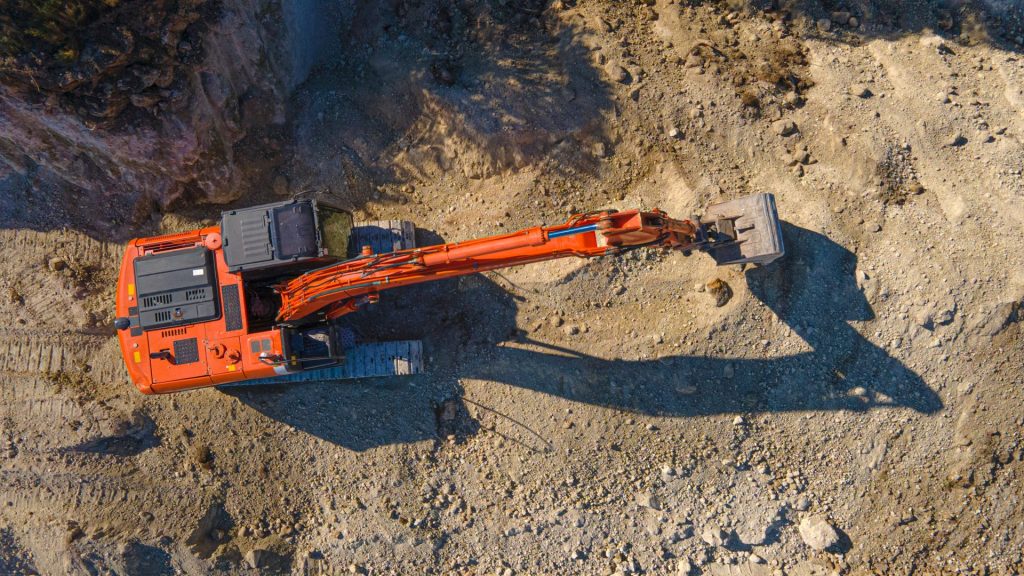
Contrairement aux acteurs qui développent des machines entièrement nouvelles, Gravis Robotics a opté pour une approche plus pragmatique. Sa technologie se présente sous la forme de kits d'autonomie modulaires qui peuvent être intégrés aux équipements existants.
En associant l'intelligence artificielle, la perception de l'environnement et des systèmes de contrôle avancés, Ces kits permettent aux machines de fonctionner de manière autonome ou par télécommande, en fonction de la complexité de la tâche et des contraintes du site. Le positionnement est clairement industriel.
Les cas d'utilisation visés comprennent les opérations répétitives et chronophages telles que le terrassement, le creusement de tranchées et le nivellement, pour lesquelles l'automatisation pourrait apporter des gains de productivité estimés à environ 30% tout en renforçant la sécurité. Pour les grands groupes de construction, l'objectif n'est pas de remplacer les opérateurs, mais de améliorer l'efficacité globale dans un contexte de pression persistante sur la main-d'œuvre qualifiée.
Gravis Robotics a franchi une étape importante fin 2025 grâce à un financement de 23 millions de dollars. tour de table mené par IQ Capital et Zacua Ventures. L'investissement de Holcim – par l'intermédiaire de son fonds de capital-risque Holcim MAQER Ventures –, qui fait suite à un projet pilote couronné de succès au Royaume-Uni, envoie un signal fort : Cette technologie n'est plus cantonnée au laboratoire et est désormais mise en œuvre sur de véritables chantiers.
L'entreprise indique désormais exercer ses activités dans plusieurs pays, notamment au Royaume-Uni et dans toute l'Europe, où des projets pilotes sont menés sur des sites d'infrastructure en service.
Gravis a récemment a remporté la médaille d'or lors du Concours mondial des start-ups du bâtiment 2025, sélectionnés parmi plus de 500 candidatures.
D'un point de vue économique, L'entreprise suit un modèle hybride associant la vente de solutions d'autonomie, de licences logicielles et de partenariats avec des sociétés de location de matériel.
Cette stratégie vise à réduire les obstacles à l'adoption dans un secteur traditionnellement réticent face aux bouleversements technologiques. En s'associant à des acteurs bien établis, Gravis espère accélérer la diffusion de ses solutions sans imposer d'investissements initiaux importants à ses clients.
La concurrence reste toutefois vive. Plusieurs start-ups nord-américaines explorent des approches similaires, tandis que les grands fabricants d'équipements suivent de près ces innovations.
Le principal défi de Gravis Robotics consistera désormais à passer à une plus grande échelle, à démontrer la robustesse de ses systèmes dans des environnements non structurés et transformer l'intérêt des acteurs industriels en contrats récurrents.
Si elle réussit, cette start-up pourrait s'imposer comme l'un des principaux acteurs de l'automatisation dans le secteur de la construction, un marché encore largement sous-exploité, mais stratégique pour la modernisation des infrastructures.
Romain Proglio - Associé, Accuracy
Accuracy Talks Straight #15 – Histoires de start-ups